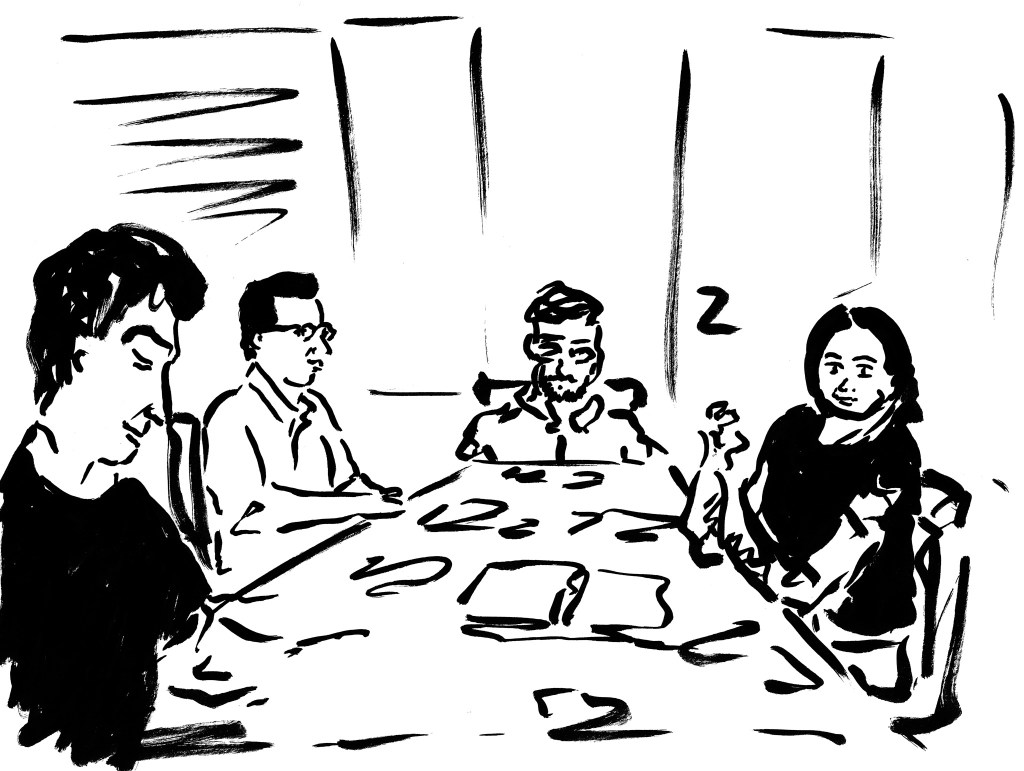
Critical Documents Check
Behind every refugee family’s arrival is a critical collection of documents essential to verifying legal entry status, the current health condition of each family member, and agreements with US and International entities. Within 24 hours of a family’s arrival in Gainesville, GGIC carefully reviews and verifies each document. These papers are the difference between a successful resettlement and expulsion from the United States.
Among the most important documents is the I-94 Arrival/Departure Record, issued by Customs and Border Protection (which confirms lawful entry into the US). Families also arrive with a travel letter from the US Refugee Admissions Program (USRAP) detailing their resettlement case, vaccination records, and health screening results from overseas medical checks. In most cases, a travel loan packet from the International Organization for Migration (IOM) outlines the costs of airfare that the family must repay over time.
GGIC nos acompañó en cada aspecto relacionado a nuestra documentación, se reunieron con nuestra familia para proveernos de información acerca de los formularios administrativos necesarios para completar nuestra llegada al país, lo hicieron de manera abnegada.
GGIC accompanied us in every aspect related to our documentation, meeting with our family to provide us informaction about the necessary administrative forms to complete for our arrival in the country. They did this selflessly.
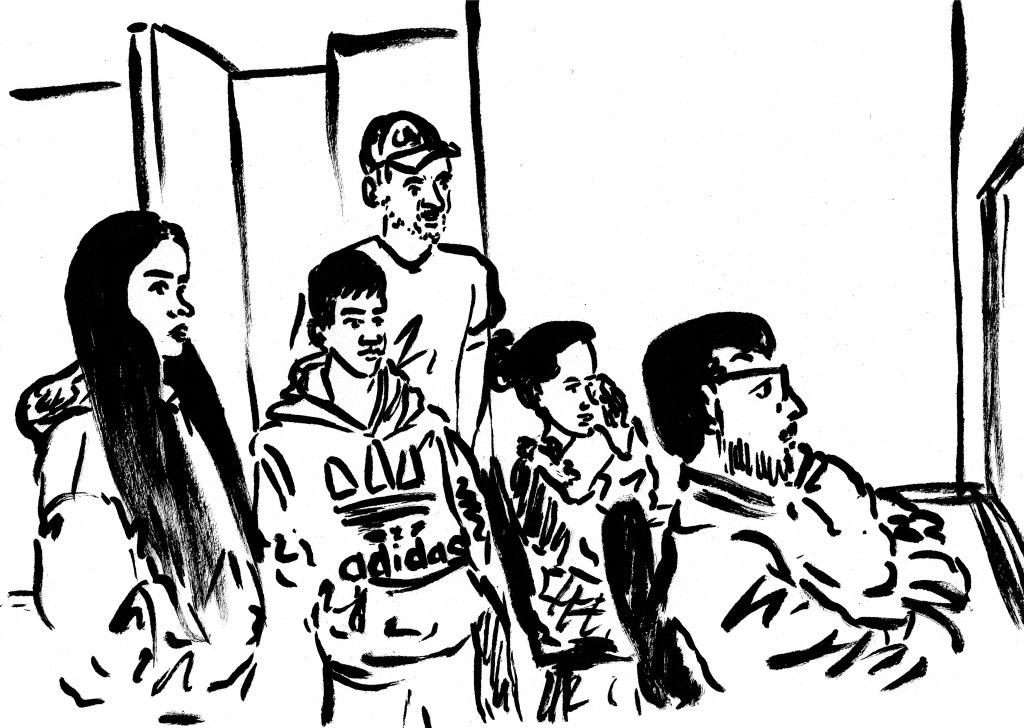
Proving Who You Are
One of the first hurdles newly arrived refugee families face is proving who they are—on paper. Proper identification is key to accessing housing, employment, education, and healthcare. For families unfamiliar with US systems and struggling with limited English, this process can feel overwhelming.
In the first days after arrival, GGIC helps families secure Social Security cards—a critical step for enrolling in school, getting a job, or opening a bank account. Families travel with GGIC staff to the Social Security Administration, where they work through the paperwork together. After Social Security cards are obtained (sometimes after long and confusing delays), refugees above the age of 12 obtain Florida State IDs or driver’s licenses (if eligible).


GGIC nos brindó total asistencia e información en los procesos para obtener nuestro número de seguro social, permiso de trabajo y la identificación de la comunidad, estamos realmente agradecidos con el soporte, se han dedicado con absoluta entrega, en cada uno de estos procesos.
GGIC gave us complete assistance and informacion in the process of obtaining our social security numbers, our employment authorizations, and our community IDs. We are absolutely grateful for the support; they dedicated themselves absolutely to each of these processes.

The Community ID
For many immigrants and non-immigrants alike, obtaining official identification can take weeks or months—even longer for those ineligible for state-issued IDs due to immigration status or documentation delays. In these gaps, everyday tasks become barriers: picking up a child from school, filling a prescription, or identifying yourself to law enforcement. That’s where the Community ID, issued by the Human Rights Coalition of Alachua County, becomes a lifeline.
While not a replacement for a state ID, the Community ID is accepted by Gainesville police, Alachua County Sheriff’s Office, public schools, health clinics, libraries, and more. It gives these families something critically important—recognition and dignity—while they work to obtain federal and state documents.
 Mr. Ho travels