
A Defining Decision
In early 2023, the Board of the Greater Gainesville International Center (GGIC) faced a defining moment. The International Rescue Committee (IRC) had extended an opportunity to partner on refugee resettlement work in Gainesville through the US Refugee Admissions Program (USRAP). This was an exciting opportunity for GGIC to partner with a highly-respected international resettlement and relief organization. But it was not an offer we could accept lightly. While the mission of GGIC had always been to elevate and empower Gainesville’s international community, absorbing refugee resettlement would mean shifting focus from cultural events and exchanges to direct refugee services.
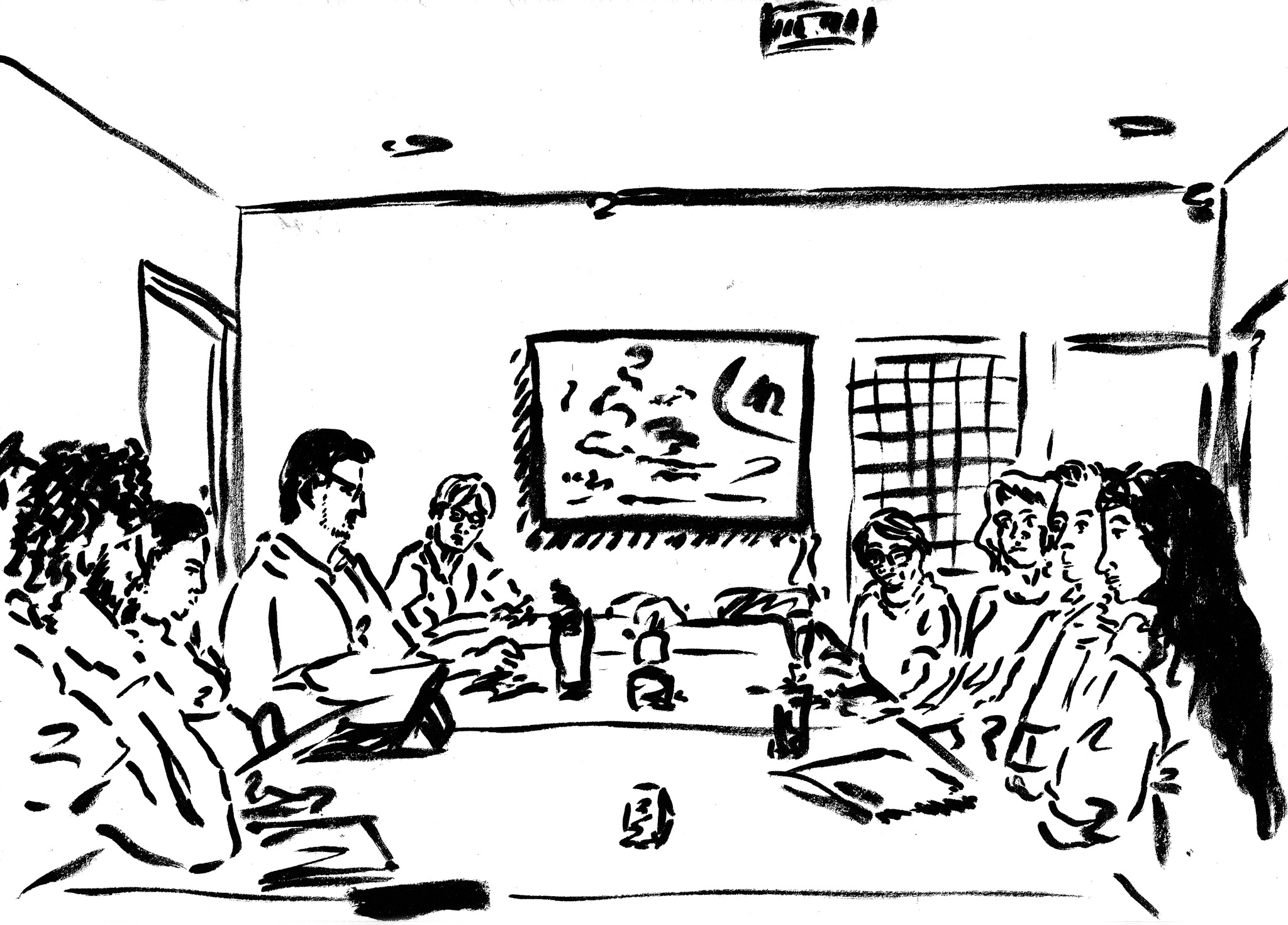
The board deliberation was emotional and profound. Could a young, grassroots nonprofit step into such a complex and critical role? Did we have the trust of our community—and the internal capacity—to ensure that newly arrived families would succeed? Were we the right organization in Gainesville to shoulder this responsibility with the IRC?
After sincere debate and conversations with community leaders, potential partners and affected neighbors, the answer was clear. Our community was ready to do this work, and GGIC was ready to lead. Gainesville deserves to be a welcoming place, and GGIC was ready to serve our newest neighbors.



Planning the Journey Before It Begins
Before a refugee family ever boards a plane, months of preparation are already underway. The IRC notifies GGIC of an incoming case through the US Refugee Admissions Program (USRAP), sharing key details: number of family members, ages, spoken languages, known health needs, and US ties. From there, GGIC launches into action—securing housing, arranging furniture, enrolling children in school, scheduling health screenings, and organizing interpretation. Each step is tracked through detailed case management protocols to meet federal requirements and IRC quality standards.
This advance coordination ensures that no detail is left to chance. Each family’s case consists of a list of critical steps ensuring a successful transition, from pre-arrival checklists, to the first 48 hours post-arrivial, to their 90-day closeout plan. Every family’s arrival is intentional, prepared for, and supported by a network of professionals and volunteers.



From Arrival to Independence: The 90-Day Plan
Guided by detailed IRC checklists and federal guidelines, GGIC staff work through a series of time-sensitive tasks that must be completed within the first few days and weeks of arrival. These include conducting a home safety inspection, ensuring access to culturally appropriate food, reviewing documentation, holding an intake meeting, and enrolling refugees in public benefits. Every step is documented and tracked, ensuring nothing is missed.
At the heart of this process is the 90-Day Self-Sufficiency Plan—a roadmap developed in partnership with each family to help them build the skills, knowledge, and stability they need to thrive independently. Families write their goals—such as securing a job, learning English, finding permanent housing, or accessing health care. The journey is fast-paced, but with structure, compassion, and support, each day brings the families closer to standing on their own.

Un-conflating Terms
Internationally, the United Nations High Commissioner for Refugees uses the term to denote any person forced to leave their home to escape conflict, war, or persecution. The US government, however, uses the word “refugee” for a very specific type of migrant. These distinctions are detailed below:
refugee: someone who has sought refuge in a foreign country and
been granted that refuge before arriving
asylum seeker: is someone already in a foreign country seeking
protection after having arrived in that foreign country
asylee: a person granted asylum (protection)
migrant: someone who moves from one place to another
A Brief Modern History of Refugees in the USA
1891 Bureau of Immigration established
1933 Albert Einstein founds the International Rescue Committee (IRC) with a small group of humanitarians in New York
1950 Creation of the United Nations High Comissioner for Refugees (UNHCR)
1980 Refugee Act establishes the above definitions and codifies the US Refugee Admissions Program (USRAP). 207,116 refugees, the most in any year, are admitted
2020 Refugee Admissions Ceiling lowered to 15,000, the lowest in the history of the program. 11,814 are admitted.
2025 Executive Order 14155 suspends the USRAP
 Mr. Ho travels